
CREAM: The baby-step to unbundling of Peninsular Malaysia’s electricity sector
Peninsular Malaysia’s electricity sector has operated under a highly centralised model. Tenaga Nasional Berhad (TNB) is the electricity-sector giant that generates, transmits, and distributes electricity to consumers around Peninsular Malaysia, albeit with some exceptions in selected areas. While the generation sector has been opened up with multiple Independent Power Producers (IPPs) competing with TNB, the IPPs still rely on a long-term power purchase agreement (PPAs) with TNB. This centralised model has delivered reliability and affordability, but as the energy transition accelerates, a crucial question arises: is centralization enough to unlock Malaysia’s renewable energy (RE) ambitions?
Consumers do not have the option of choosing the enrgy provider of their choice. Their choice is limited to the Distribution Licensee that is licensed for a particular supply area - until now that is. The launch of the Community Renewable Energy Aggregation Mechanism (CREAM) marks a potential step towards opening up the rest of the electricity supply value chain. Could CREAM set the stage for further unbundling of electricity sector?
What is CREAM Intended to Do?
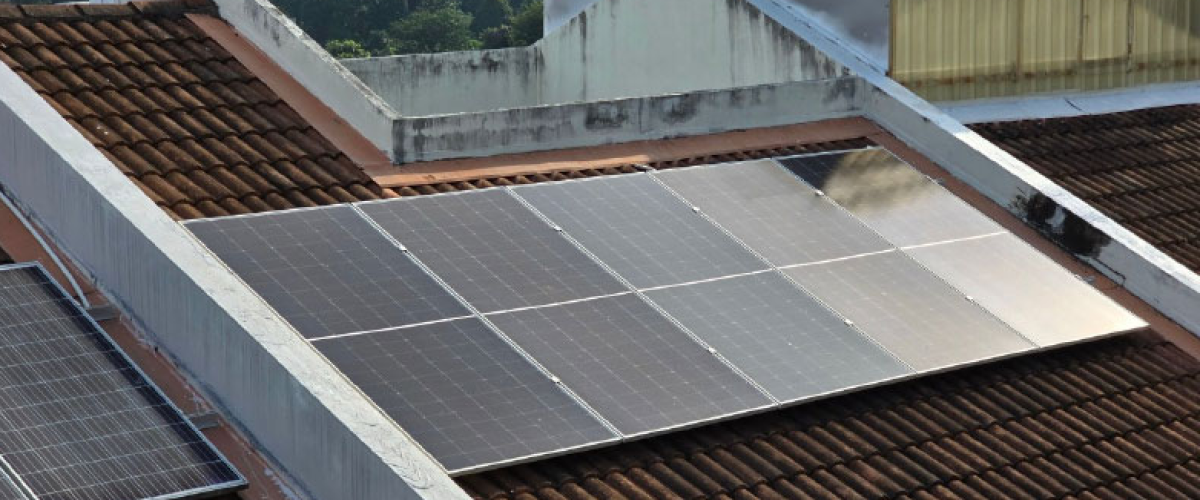
CREAM is designed to unlock the latent solar potential of Malaysia’s landed housing stock. With roughly 4 million landed residential rooftops across Peninsular Malaysia, the potential for renewable energy is vast. Assuming a capacity of 10kW per rooftop, that’s 40GW of capacity on residential rooftops across Peninsular Malaysia. However, high upfront costs and fragmented demand have stunted adoption of solar on residential rooftops so far.
Under CREAM, Local Energy Generation Aggregators (LEGAs) coordinate communities to:
01 Aggregate
Aggregate rooftop capacity by lowering financing and procurement costs of solar systems;
02 Expertise
Provide technical expertise for installation and operations;
03 Unlock
Allow households to unlock their rooftop space for solar generation.
The framework introduces two new classes of market participants:
- the LEGA, which is the owner of the rooftop solar photovoltaic (PV) system. The LEGA responsible for the development, financing, operations, and maintenances of the solar generation system.
- the Local Community Solar Plants (LCSPs), the residential rooftop owner that enables passive space to be used for active economic activity and further reducing environmental impact of solar energy.
Crucially, it introduces a new concept to the market: that low and medium voltage consumers, can choose their electricity provider, albeit just the renewable energy portion. This is achieved through the LEGA managing contractual agreements directly with Local Green Consumers (LGCs), while requiring a complex, multi-party contractual structure to manage the constraints imposed by the structure available today.
How CREAM Nudges Unbundling
CREAM itself is not a reform of electricity markets; it is framed as a clean energy enabler. Yet what CREAM introduces has the hallmarks of market de-centralisation:
1. New market participants
LEGAs are neither utilities nor regulators, but they perform functions traditionally monopolized by incumbents—procurement, generation management, and intra-community distribution.
2. Consumer empowerment
Households evolve into “prosumers”—both producers and consumers of electricity. This redefines their relationship with the grid, pushing regulators to rethink tariffs and incentives.
3. Micro-markets and competition
As communities share or trade solar power, CREAM creates embryonic microgrids. If scaled, this could evolve into peer-to-peer energy trading, a major step toward decentralization.
In essence, while CREAM may not formally unbundle the sector, it seeds the behaviour and develops participants that unbundling will require.
While a truly liberalised electricity market would typically involve full retail competition, third-party access to the grid independent of the utility, and an independent system operator, CREAM does not reach this level, yet. Supplier-of-last-resort responsibility remain firmly with TNB in most cases, as LEGAs will have no capacity nor capability to step into that role.